8 Signs You Need Water Heater Replacement
Updated Jun 2026
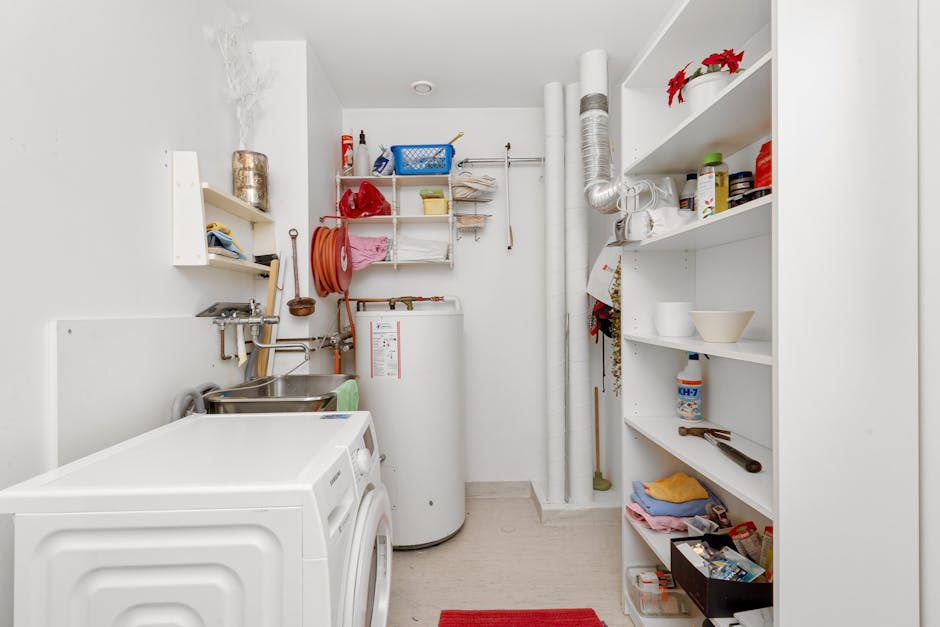
Photo by Alex Tyson on Pexels (Pexels License)
A water heater rarely fails without warning. Most units give off a handful of telltale signals as they age, and learning to read them lets you plan a replacement on your own terms instead of scrambling after a cold shower or a flooded floor. Here are the signs worth watching for, and what each one usually means.
1. Hot water runs out faster than it used to
If showers turn cold sooner than they once did, sediment may be taking up space inside the tank, leaving less room for actual hot water. As mineral buildup accumulates, capacity quietly shrinks. When a flush no longer restores performance, the tank is often near the end of its useful life.
2. The water looks rusty or smells metallic
Rusty or discolored hot water can point to corrosion inside the tank. Once a steel tank begins to rust from the inside, there's no repair — only replacement. A metallic smell or taste in your hot water specifically (but not your cold) is a strong hint the heater itself is the source.
3. You hear popping, rumbling, or banging
Those sounds usually come from sediment hardening at the bottom of the tank. As the burner heats through that crust, it creates noise and works less efficiently. Persistent rumbling on an older unit often means the tank is overdue for replacement.
4. There's moisture or pooling around the base
Water at the bottom of the tank is a red flag. Small drips can come from fittings, but a damp or pooling base frequently signals a crack or corrosion in the tank wall. This is the sign most likely to precede a sudden, messy failure, so don't put it off.
5. The unit is simply getting old
Every water heater has a finite service life, and an older unit that's needed repeated repairs is usually telling you something. If you don't know your heater's age, a plumber can often read the manufacture date from the serial number during a visit.
6. Repairs are stacking up
A single fix on a younger unit makes sense. But when a heater needs one repair after another, the money is often better spent on a new, more efficient unit than on keeping an aging one limping along.
7. Your energy use is creeping up
As sediment builds and components wear, a heater has to run longer to deliver the same hot water. If your bills are climbing without an obvious cause, an inefficient, aging water heater can be part of the picture.
8. The pressure-relief valve is leaking
The temperature-and-pressure relief valve is a safety device. If it weeps or drips, it may need attention — or it may be reacting to a deeper problem in an aging tank. Either way, it's worth a professional look rather than a wait-and-see.
What to do next
One sign on its own may not mean replacement is due, but several together usually point that direction. The safest move is to have a licensed plumber come to your home, confirm what's going on, and lay out your options. If you'd rather replace on your schedule than after a failure, acting at the first cluster of warning signs keeps you in control. Browse the providers in your city to request quotes and compare crews before you commit.